Xtrade Exchange: A Closer Look
Xtrade Exchange is under scrutiny for its lack of transparency regarding ownership and management, raising red flags for potential investors. The company's website, extradeexchange.com, has been privately registered since February 23, 2026, leaving many to question the legitimacy of its operations.
Transparency Issues in the MLM Space
In the multi-level marketing (MLM) industry, it's crucial for companies to be upfront about their leadership and ownership. When a platform like Xtrade Exchange conceals this information, it signals potential risks for both distributors and consumers. Transparency fosters trust, and without it, members may find themselves vulnerable to scams.
Product Offerings
Currently, Xtrade Exchange does not offer any retail products or services. Instead, its promoters can only sell the opportunity to become a promoter themselves. This model raises concerns, as it primarily relies on recruitment rather than actual product sales.
Understanding the Compensation Plan
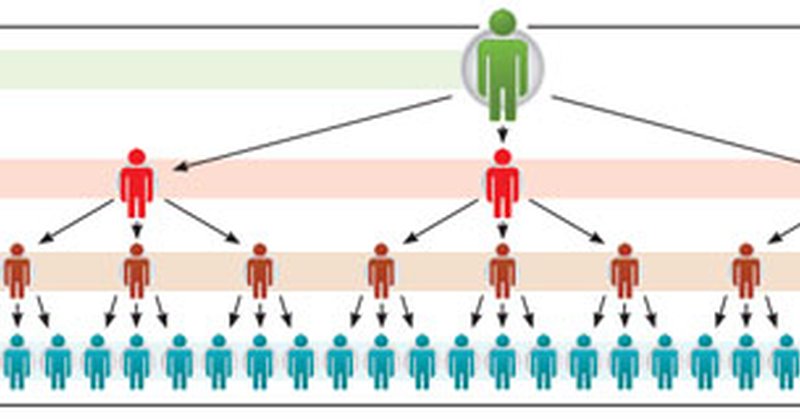
Promoters in Xtrade Exchange invest using Tether (USDT) with the promise of passive returns. The minimum investment to participate is set at 300 USDT. The compensation plan rewards recruitment, meaning promoters earn commissions by bringing in new investors. This structure is often a hallmark of unsustainable business models in the MLM arena.
Promoter Ranks and Bonuses
Xtrade Exchange features a tiered system with ten promoter ranks. To advance, recruits must invest at least 300 USDT. The compensation plan includes various bonuses:
- Referral Commissions: Commission rates are based on the investment amounts of recruited promoters.
- Matching Bonus: Promoters earn matching bonuses on daily returns generated by their downline.
- Rank Achievement Bonus: One-time bonuses are awarded when promoters qualify for ranks LV1 and higher.
Joining Xtrade Exchange
While joining as a promoter is free, full participation in the associated income opportunities mandates an initial investment of 300 USDT. This requirement further intensifies the focus on recruitment rather than genuine product sales.
Why This Matters
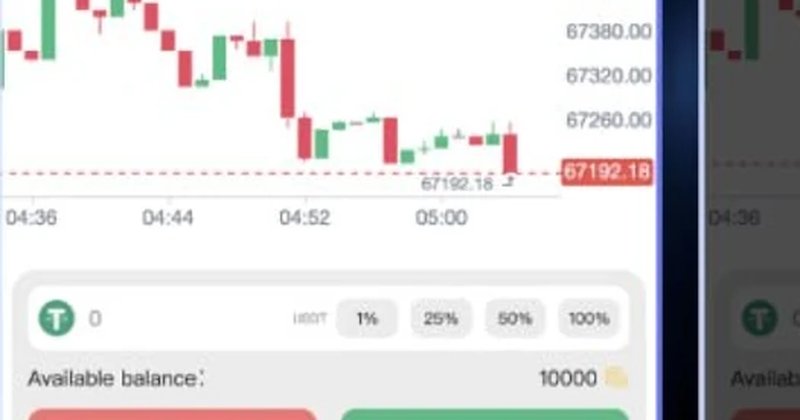
Xtrade Exchange exemplifies what many in the industry call a "click a button" Ponzi scheme, where promised returns are simply recycled from new investors’ funds. The platform claims to offer trading signals through a fictitious partnership with established firms like Fidelity International, which has no actual connection to Xtrade Exchange. This disconnection raises alarms about the authenticity of their operations.
Typically, these types of schemes provide misleading trading signals through unreliable channels, often using social media platforms like Telegram. The deceptive nature of these operations often leads to significant financial losses for investors, as funds are not invested in legitimate trades but rather cycled within the scheme.
The Broader Context
This trend of "click a button" Ponzi schemes has been prevalent since late 2021, resulting in numerous platforms collapsing shortly after inception. Noteworthy examples include the likes of League of Seagull and VSTSA, both of which were found to have unsustainable business practices.
As these schemes become more sophisticated, they often culminate in abrupt shutdowns, leaving investors locked out of their accounts, especially around withdrawal requests. This pattern is indicative of a larger issue within the MLM space, where a lack of regulation allows such practices to proliferate.
What to Watch For Next
Investors should remain vigilant and conduct thorough research before joining any MLM or investment platform. Signs of transparency, legitimate product offerings, and credible leadership are essential indicators of a trustworthy business.
The ongoing actions by authorities against organized crime linked to these scams highlight the need for increased regulation in the MLM industry. Stakeholders are encouraged to monitor developments surrounding Xtrade Exchange and similar platforms closely to avoid potential pitfalls.