TLN Protocol Raises Red Flags in MLM Landscape
TLN Protocol has emerged as a questionable reboot of the discredited The Last Network, with its website failing to disclose any ownership or executive details. Registered privately on January 28, 2026, the domain tlndapp.com raises concerns among industry watchers.
A Troubled History
Previously known as The Last Network, this venture was linked to Biashara "Bish" Smeir, who had a history of running MLM crypto schemes. The original scheme, utilizing the VOW token, fell apart in August 2024 following a claimed exit scam. This latest iteration appears to be an attempt to distance itself from past failures while continuing the same deceptive practices.
Shady Business Practices
Today, TLN Protocol operates without any mention of Enigmatic Smile, a UK shell company once connected to Smeir’s operations. Instead, its association with the Vow Ecosystem Foundation, based in the tax haven of Jersey, signals a continuation of secrecy. The absence of clear information on their website further obscures accountability.
What's on Offer?
TLN Protocol claims to have no retail products or services, focusing solely on promoting its membership. This raises red flags about its legitimacy, as MLM structures thrive on product sales rather than mere recruitment.
How the Compensation Plan Works
Distributors are encouraged to invest in VOW tokens, tether (USDT), or Bitcoin (BTC), which can then be converted into LP tokens for a staking scheme lasting 365 days. Returns are paid in TLN Gold tokens but come with a hefty 20% withdrawal fee, payable only in VOW tokens.
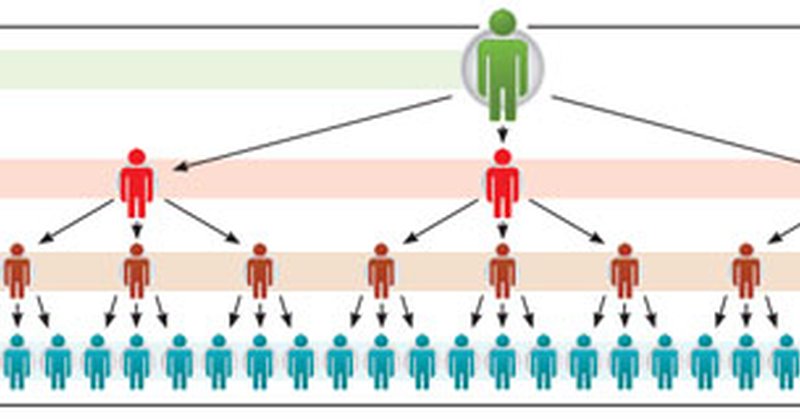
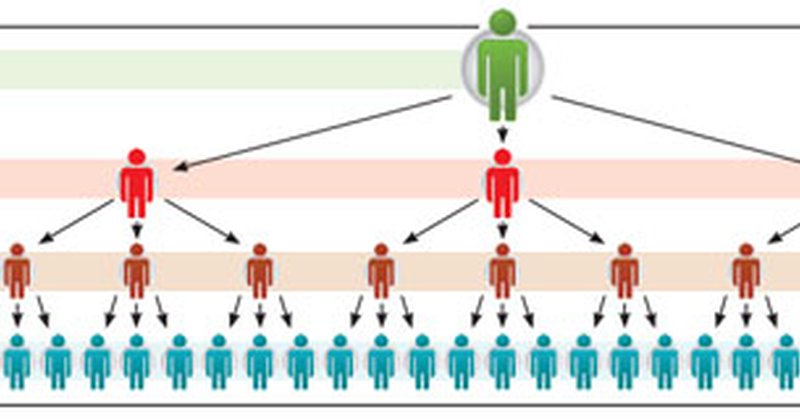
However, TLN Protocol's compensation plan lacks transparency, with essential details obscured from potential investors. Promoters earn commissions primarily through the recruitment of new investors, a practice often associated with pyramid schemes.
Free to Join, Costs Hidden
While joining TLN Protocol is free, participants must make an undisclosed minimum investment to fully engage in the income opportunity. This tactic of downplaying entry costs can mislead unsuspecting individuals into believing the venture is less risky than it truly is.
Legal Implications
According to the site's Terms and Conditions, TLN Protocol is governed by the laws of Dubai, which has garnered a reputation as a haven for MLM scams. It’s significant because regulatory enforcement is often lax, allowing such schemes to flourish unchecked.
To further complicate matters, TLN Protocol's investment structure likely qualifies as an unregistered security, violating consumer protection laws. The Howey Test indicates that their investment contracts meet the criteria for securities, suggesting significant legal vulnerabilities.
"TLN Protocol seems to be a continuation of The Last Network Ponzi scheme, with Smeir attempting to distance himself from the fallout of previous scams."
Why It Matters
The implications of TLN Protocol extend beyond its immediate operations. For distributors, the lack of transparency and unclear compensation structure suggests a high-risk environment. Consumers face the potential for financial loss, particularly when investing in ventures that bear the hallmarks of previous Ponzi schemes.
As the MLM community navigates these murky waters, it’s crucial for potential investors to conduct thorough research and remain vigilant against possible scams.
Looking Ahead
Watch for further developments regarding TLN Protocol, especially as regulatory bodies catch up with emerging schemes. Continued scrutiny of MLM practices could lead to greater accountability and transparency in the industry.