Total Energy Overview
Total Energy has emerged as a concerning player in the MLM landscape, lacking transparency regarding its ownership and executive structure. The company operates under a privately registered domain, ntrenergy.dgy.one, which raises red flags about its legitimacy.
Domain Background
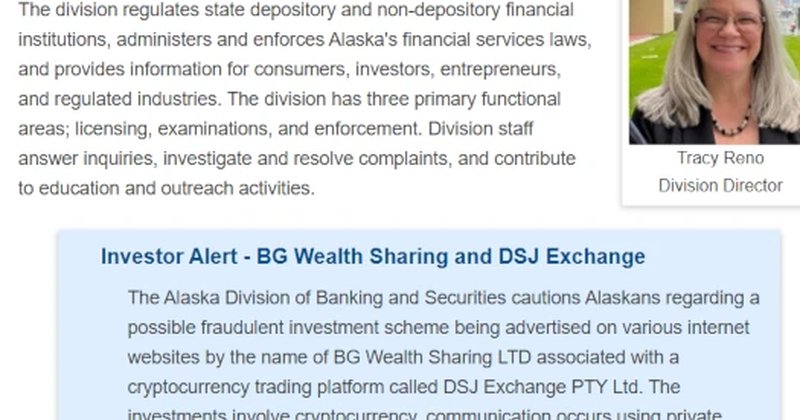
This particular domain is associated with prior fraudulent schemes like BG Wealth Sharing and Riscoin, both notorious for their ‘click a button’ Ponzi structures. The anonymity surrounding Total Energy's leaders should prompt potential investors to take a step back.
“If an MLM company is not openly upfront about who is running or owns it, think long and hard about joining and/or handing over any money.”
Products and Services
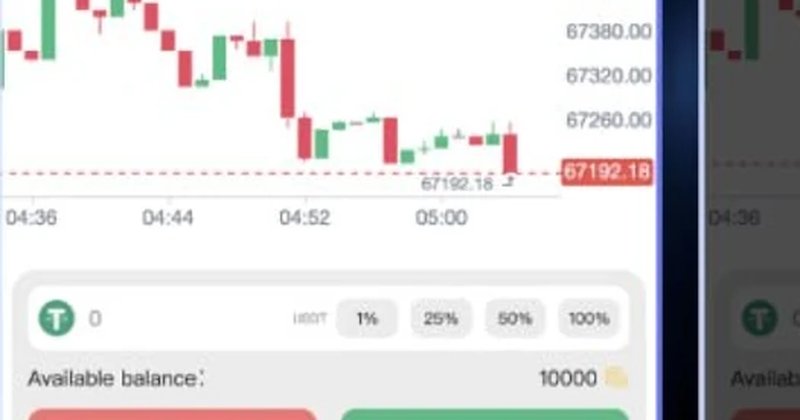
Currently, Total Energy offers no tangible products or services, focusing solely on promoter membership. This lack of retail offerings is a common characteristic among many Ponzi schemes, which rely on recruitment bonuses rather than legitimate sales.
Compensation Structure
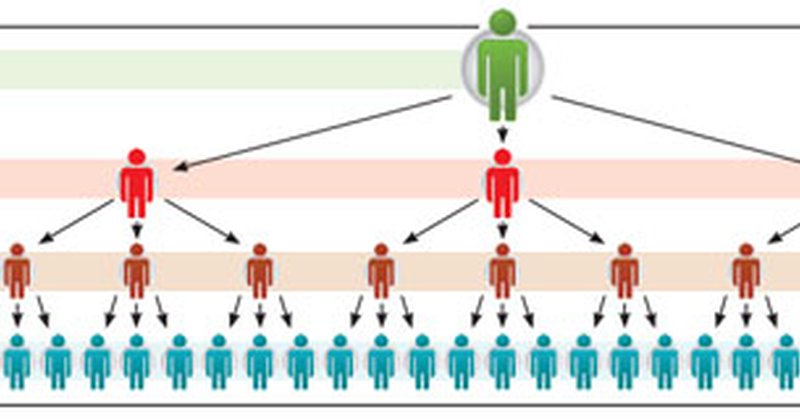
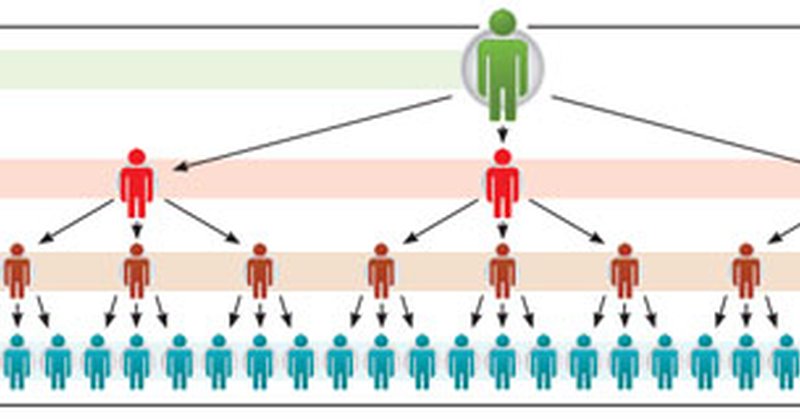
The compensation plan of Total Energy is built around the investment of tether (USDT). Promoters can earn referral commissions based on the investments made by their recruits, with payouts extending down three levels in a unilevel structure. However, it’s critical to note that the primary attraction is the promise of passive returns, a hallmark of Ponzi schemes.
Joining Total Energy
Becoming a promoter with Total Energy is free. However, to fully engage in the income opportunity, a minimum investment of 50 USDT is required. This investment model is designed to create a cycle of dependency on new recruits for returns.
Why This Matters
Total Energy is simply another example of a “click a button” Ponzi scheme, one that does not even disguise its operations with a compelling marketing strategy. According to industry analysts, many of these types of scams have been documented since 2021 and typically have a short lifespan, often collapsing within weeks or months.
When these schemes do collapse, they usually disable their websites and apps without warning, leaving investors stranded and without access to their funds. In many cases, investors face locked accounts right when they request withdrawals.
“This is significant because it illustrates the pitfalls of engaging with MLM companies that lack transparency and legitimacy.”
Moreover, scammers operating these Ponzi schemes may initiate recovery scams, demanding additional fees to regain access to funds or facilitate withdrawals, further exacerbating the financial loss for investors.
Global Context of Scams
Behind many of these scams are organized crime networks based in Southeast Asia, particularly linked to China. For instance, the U.S. Department of Treasury has taken measures against individuals tied to these schemes, most recently sanctioning Cambodian politician Ly Yong Phat over his involvement with Chinese human trafficking and scam operations.
Despite crackdowns, the proliferation of these scams continues. Reports indicate that tens of thousands of individuals remain trapped in scam factories across Myanmar and beyond. As of early 2025, new scam operations have reportedly surfaced in countries like Nigeria, Angola, and Brazil, evidencing the global reach of these fraudulent activities.
Final Thoughts
As the environment for MLM companies evolves, the emergence of Total Energy signals a troubling trend of increasingly blatant scams. Potential investors should remain vigilant and conduct thorough due diligence before engaging with such organizations.
What to Watch For
Keep an eye on regulatory responses to these types of scams, both locally and globally. Continuous efforts to dismantle organized crime networks could impact the availability of such schemes in the future. Be cautious and informed as you navigate the MLM landscape.