TXO Exchange: Who's Behind the Curtain?
The TXO Exchange has raised red flags in the MLM community due to its lack of transparency regarding ownership and executive details. The company operates under multiple domain names, yet provides no identifiable information about its founders or leadership team.
Questionable Claims and Digital Deception
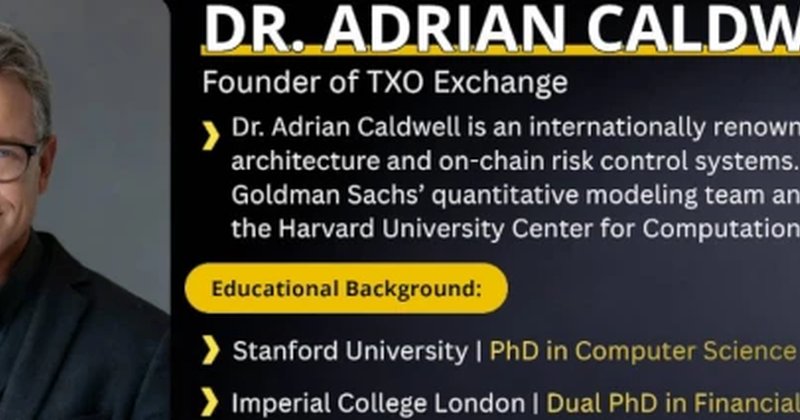
Marketing materials linked to TXO Exchange cite a supposed founder named Adrian Caldwell, who appears to be fictional and is represented by an AI-generated avatar. This raises significant concerns about the credibility of the platform.
In an attempt to lend an air of legitimacy, TXO Exchange showcases a New York company certificate. However, such documents can be easily fabricated, making them virtually worthless for due diligence in the MLM space. This is particularly concerning as fraudsters can easily set up shell companies with misleading information.
Ties to Known Scams
Analyzing the source code of the txoca.com domain reveals references to Chinese connections and another domain, asiaex-pro.com. This association points to a disturbing trend: TXO Exchange shares links with other recently launched Ponzi schemes like NewEra Exchange and Swift Wave Capital.
Given the history of similar platforms, potential investors should approach TXO Exchange with caution.
What Does TXO Exchange Offer?
Oddly enough, TXO Exchange does not provide any retail products or services. Promoters can only market membership itself, further complicating its legitimacy. This kind of model is typical in Ponzi operations, focusing on recruitment rather than genuine product sales.
Understanding the Compensation Plan
To become a promoter at TXO Exchange, individuals need to invest at least 100 USDT. The promise is a daily passive return, but specific ROI rates are mysteriously hidden from potential investors.
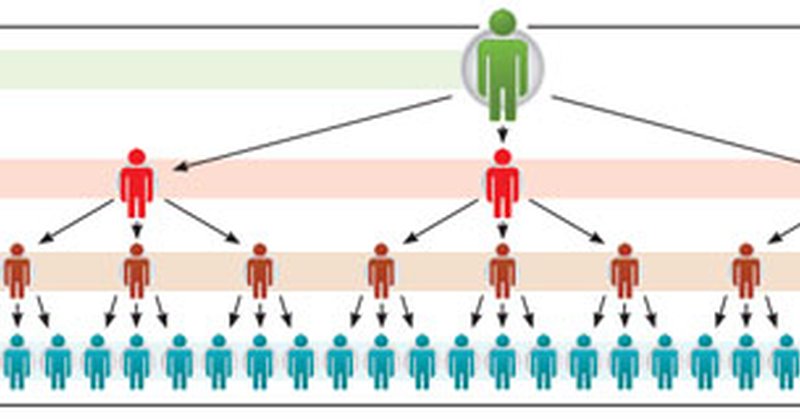
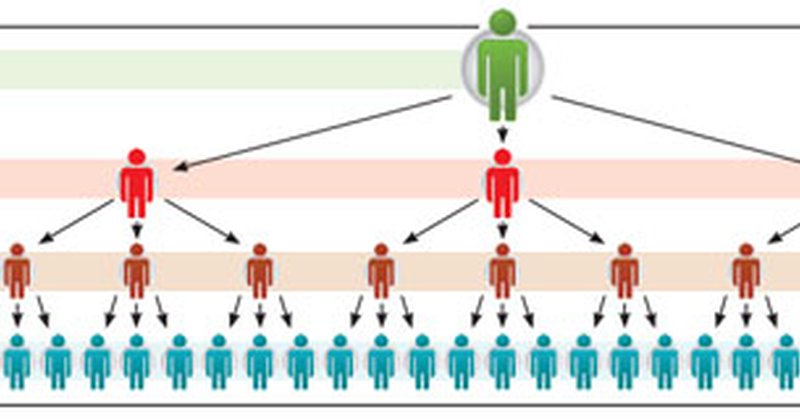
The compensation structure emphasizes recruitment, rewarding promoters for bringing in new investors rather than for selling a legitimate product. This is a classic Ponzi scheme hallmark.
Promoter Ranks and Incentives
TXO Exchange features ten promoter ranks, each with specific qualification criteria. The compensation system includes:
- Referral Commissions: Promoters earn commissions based on the USDT invested by those they personally recruit.
- ROI Match: A matching return on downline promoters' daily earnings.
- Rank Achievement Bonus: One-time bonuses for achieving VIP ranks.
The Bottom Line on TXO Exchange
TXO Exchange appears to operate as yet another “click a button” Ponzi scheme, masked as a trading signals platform. They claim to provide trading signals through a fictitious financial advisory called Qicheng Investment—another creation of the scammers.
Investors are led to believe they can achieve profits by simply clicking buttons on a dubious app, which in reality only recycles funds from new investors to pay earlier ones. This business model is fundamentally flawed, as it relies on continuous recruitment to sustain payouts.
Many similar schemes have already collapsed, leaving investors at a significant loss. Historically, these types of platforms operate for a brief period before vanishing.
Risks and Warning Signs
Investors and potential promoters should be wary. Previous instances of this type of Ponzi scheme often result in accounts being locked just when individuals attempt to withdraw their funds. Scammers may also initiate recovery scams, demanding fees for reactivating access to funds.
Given the emerging patterns in the MLM space, TXO Exchange fits a troubling mold of organized crime linking back to Chinese scam networks.
What This Means for Investors
For consumers, joining TXO Exchange could lead to substantial financial losses. If a company is not transparent about its leadership, that is a major warning sign. Investors should conduct thorough research and exercise extreme caution before committing any funds.
Watch for Future Developments
The MLM landscape constantly evolves, so it’s crucial to stay informed about new schemes like TXO Exchange. Potential investors should remain vigilant and skeptical of platforms that lack transparency and offer unrealistic returns.