Crackdown on QFON Ponzi Scheme
Authorities in India have apprehended two suspects linked to the notorious **QFON** MLM Ponzi scheme, marking a significant step in the ongoing investigation into the fraudulent operation. Suspects **Sudhir Dalsukhbhai Kotadiya** and **Santibhai Kotadiya** were arrested on March 11, 2026, as part of a broader crackdown involving twelve charged individuals.
Background of the QFON App
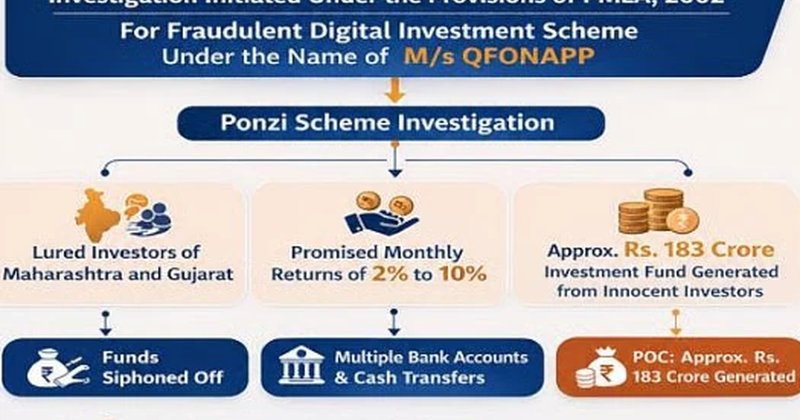
The **QFON App**, originally known as **AppBull**, was launched in 2020, promising investors returns ranging from 2% to 10% per month based on fictitious advertising revenue. This scheme attracted many consumers, leading to a hefty estimated theft of over 200 million INR (approximately $20.6 million USD).
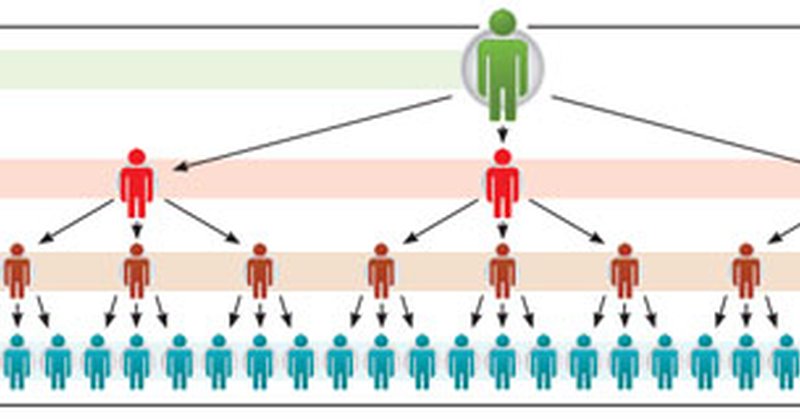
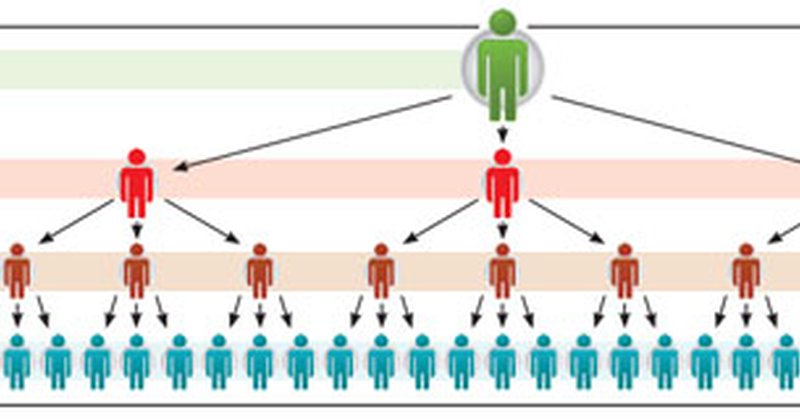
The Kotadiyas and their accomplices leveraged a multi-level marketing (MLM) structure and aggressive digital marketing strategies to quickly grow their network. This approach is particularly concerning for the MLM community, as it often leads to significant financial losses for participants when such schemes collapse.
Investigation Reveals Extensive Fraud
Following the scheme's downfall, the Kotadiyas fled to **Dubai**, but Indian law enforcement managed to apprehend them as they attempted to return via Nepal. This is significant because it shows the lengths to which individuals involved in financial crimes will go to evade justice.
Investigations have uncovered over 58 bank accounts and numerous third-party entities allegedly used to launder and route the stolen funds. Indian authorities have traced more than 40 crore INR through banking channels alone and identified a cash trail exceeding 23 crore INR through **Angadiya** operators, hinting at a much larger operation than previously understood.
Seizures and Ongoing Investigations
During raids at 18 locations across **Gujarat** and **Maharashtra**, the Enforcement Directorate (ED) seized crucial evidence, including incriminating documents, digital data, and cash amounting to 2.51 crore INR. The agency has also provisionally attached assets worth over 32 crore INR, including properties and fixed deposits, often registered under the names of relatives and associates.
Significantly, **Jaysukh Sakhariya** and his wife **Niru Sakhariya** are thought to be the masterminds behind the QFON scheme and remain at large. This highlights the ongoing challenges in tracking down key figures in large-scale financial fraud cases.
Next Steps for Authorities
Indian law enforcement is not stopping here. They are focusing on identifying further beneficiaries and tracing the full scope of the money trail, including examining the role of intermediaries who may have aided in the fund routing. This development is particularly crucial for protecting potential future victims of similar schemes.
“The case against the QFON App underscores the necessity for vigilance within the MLM sector,” commented an unnamed industry expert. “It serves as a reminder that transparency and accountability are paramount.”
What This Means for Distributors and Consumers
For distributors in the MLM industry, this situation serves as a cautionary tale. The QFON scandal demonstrates the risks associated with schemes promising unrealistic returns, especially those utilizing referral systems that resemble traditional MLM structures.
Consumers should be wary of programs that seem too good to be true and conduct thorough research before investing in any opportunity. With authorities increasingly cracking down on fraudulent operations, participants in the MLM space should prioritize transparency and ethical practices.
What to Watch For Next
As the investigation continues, keep an eye on potential additional arrests and the outcomes of the charges against the Kotadiyas and others involved. The fate of the QFON App case may influence regulatory scrutiny on other MLM operations in India, leading to broader implications for the industry at large.