Overview of FYNOR
**FYNOR** has come under scrutiny for operating without clear ownership or executive transparency. This lack of disclosure is concerning for potential investors who need to understand who they are dealing with.
FYNOR runs its operations through two known domains but attempts to validate its legitimacy by citing a Colorado shell company and a **FinCEN** MSB certificate. However, these credentials are often used as fronts by scammers, given the ease of registering such entities with false information.
Understanding FinCEN and Shell Companies
It's important to clarify that **FinCEN** does not function as a financial regulator. Anyone can set up a shell company and obtain an MSB certificate from them. This practice does not confer any legitimate oversight or accountability. That's significant because it raises questions about the integrity of FYNOR's operations and how they are marketing their services.
Product Offerings
FYNOR lacks any retailable products or services, focusing solely on promoting its membership as an investor. This raises eyebrows, as a legitimate MLM typically offers tangible products that distributors can sell.
FYNOR’s Compensation Structure
The company’s promoters must invest at least **100 USDT** to participate in its compensation plan, which promises daily returns. However, the details regarding return rates are notably hidden from potential investors, which is concerning for transparency.
Additionally, FYNOR offers a staking investment scheme claiming to provide up to 18% annually, but again, specifics are not disclosed. Investors are advised to approach such unsubstantiated claims with skepticism.
Rank Structure and Commissions
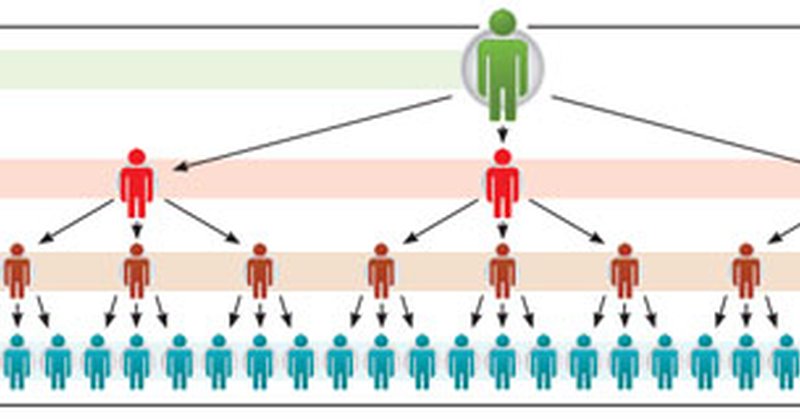
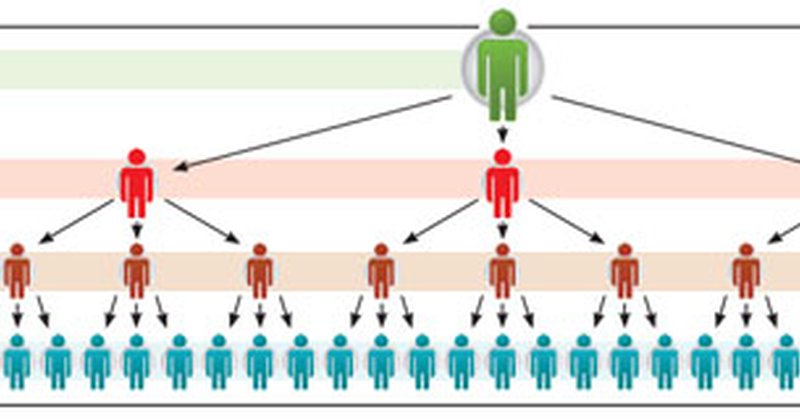
FYNOR features a ranking system with seven different tiers that promoters can achieve by recruiting others into the program. They earn referral commissions based on the investments made by their recruits over two levels, fostering a recruitment-focused environment.
“If a business model seems implausible, it likely is. FYNOR’s structure raises major questions about where funds are sourced and how they are allocated.”
Investment Risks and Concerns
Many aspects of FYNOR's model resemble classic Ponzi schemes, particularly the reliance on new investments to pay returns to earlier investors. The term “click a button” Ponzi has been coined to describe these types of schemes, which often promise easy returns through supposedly sophisticated trading signals.
In FYNOR's case, these signals are allegedly provided through a fictitious entity called **Maivest Digital Capital**, which appears to be a front created by the scammers. Promoters are encouraged to engage with the app, but the reality is that clicking buttons does not yield genuine trading activities.
Industry Context
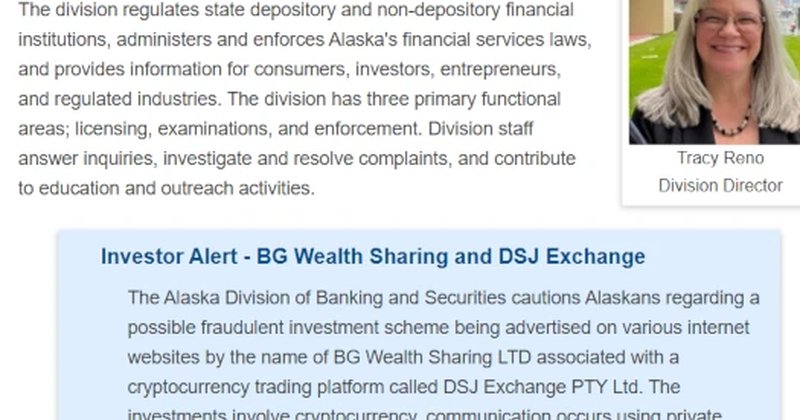
FYNOR aligns with a concerning trend seen since late 2021 where many similar Ponzi schemes have collapsed, often within just a few months. Past examples like **League of Seagull**, **BG Wealth Sharing**, and **VSTSA** serve as cautionary tales for investors. Typically, when these platforms shut down, they do so abruptly, often locking investors out of their accounts right after withdrawal requests have been made.
Moreover, there is a dangerous pattern of recovery scams that often follow such collapses, further victimizing investors who are misled into paying fees for access to their own funds.
What This Means for Investors
For potential FYNOR promoters, the lack of transparency and the reliance on recruitment rather than product sales should raise red flags. The promise of easy earnings can be tempting, but the underlying mechanics often signal a high risk of loss. This highlights the importance of due diligence and skepticism when considering investment opportunities in the MLM space.
What’s Next?
Investors should remain vigilant and watch for updates about regulatory actions and new developments in the MLM landscape. As investigations into schemes like FYNOR continue, it may reveal broader implications for the industry as a whole.