TetherDex Finance Lacks Transparency
TetherDex Finance has come under scrutiny for its lack of transparency, failing to disclose any ownership or executive information on its website. The domain name, tetherdex.finance, was privately registered on November 9, 2025, raising concerns about accountability. For potential investors and participants in the MLM community, this opacity is a significant red flag.
No Retail Products Available
One of the hallmarks of a legitimate MLM is the presence of sellable products or services. However, TetherDex Finance offers no retail products at all. Participants are restricted to marketing the promoter membership itself, which raises questions about the sustainability of the business model.
Understanding the Compensation Plan
To kickstart their involvement, TetherDex Finance promoters are required to pay a membership fee of 20 USDT and invest a minimum of 10 USDT. The promise is alluring: a daily return of 1% on the invested USDT for a total of 200 days, equating to a 200% return on investment. However, it's critical to note that MLM commissions and bonuses may count toward this ROI cap, meaning that continued earnings will necessitate fresh investments.
Return on Investment in Internal Tokens
Returns are paid out in TDF, an internal token created by the scheme, rather than in traditional cryptocurrency. This is significant because it limits the liquidity of returns, leaving participants dependent on the internal ecosystem of TetherDex Finance.
Recruitment-Driven Earnings
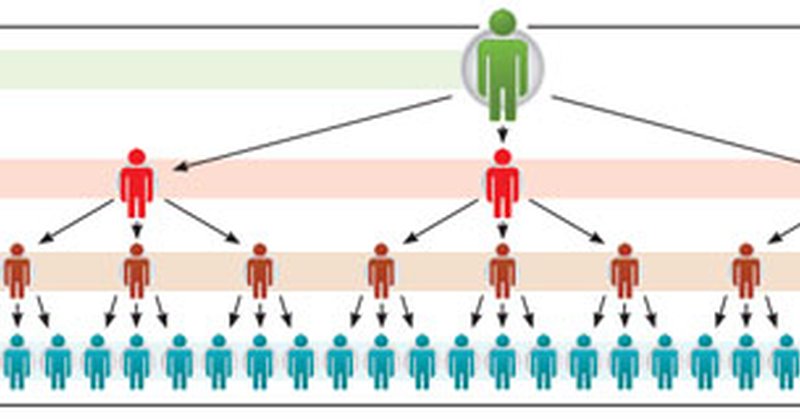
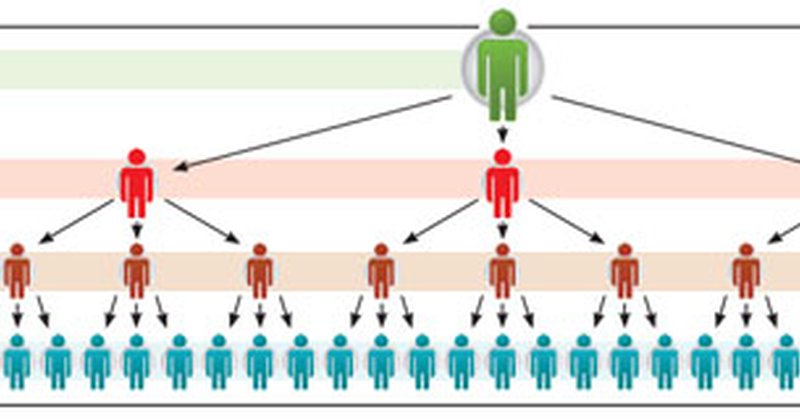
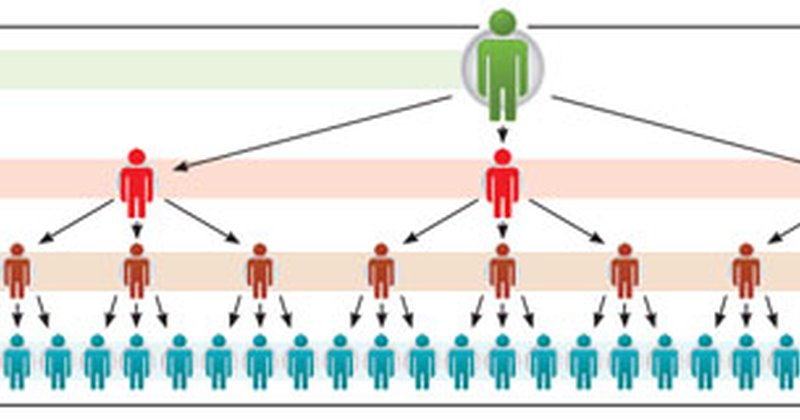
The income structure heavily emphasizes recruitment. Participants can earn referral commissions, receiving 50% of the fee paid by new promoters they recruit. Additionally, TetherDex Finance employs a unilevel compensation structure that allows promoters to earn from multiple levels of recruits. However, this model caps potential earnings at twelve levels deep.
Potential Pitfalls of TetherDex Finance
As with many MLM schemes, the reliance on recruitment for income and the absence of actual products signal potential risks. If recruitment slows down, new investments will dwindle, leading to a collapse. This creates a classic Ponzi scenario where returns to earlier investors are funded by the capital of newer participants.
The math is simple: when new investor recruitment stops, the entire structure collapses, and the majority of participants will end up losing money.
What This Means for Distributors and Consumers
For distributors, this kind of setup could be a warning sign. The emphasis on recruitment over product sales makes it a risky venture. If you're considering joining, it's crucial to ask questions about the business model and management transparency. For consumers, this raises concerns regarding the legitimacy of the returns promised and the security of any investments made.
Keep an Eye on Future Developments
As the situation with TetherDex Finance unfolds, it's essential to remain vigilant. Watch for changes in their transparency, any regulatory scrutiny, or shifts in their compensation structure. Understanding these dynamics can help potential investors make informed decisions.