Kymera Capital Raises Red Flags in MLM Crypto Space
Kymera Capital, also known as Aureum AI Bot, has sparked concern within the multi-level marketing (MLM) community due to its lack of transparency regarding ownership and executive leadership. The company operates under two known website domains, yet fails to provide basic information about its management team.
Dubious Leadership
One figure associated with Kymera Capital is Antonia Salas, who has previously been linked to a series of dubious ventures. Notably, Salas served as the CEO of the Optimus VIP Ponzi scheme, which was later rebranded as DigitalCredit, albeit for a very brief period before it too collapsed. Salas resurfaced with another dubious project, DigitalBot, in July 2025, which has since become inaccessible.
When a company lacks clarity about its leadership, potential investors should proceed with caution.
Understanding Kymera Capital's Offerings
Currently, Kymera Capital does not offer any retail products or services. Instead, the focus is solely on promoting the membership itself. This lack of tangible products can be a significant warning sign for potential investors.
Compensation Plan Highlights
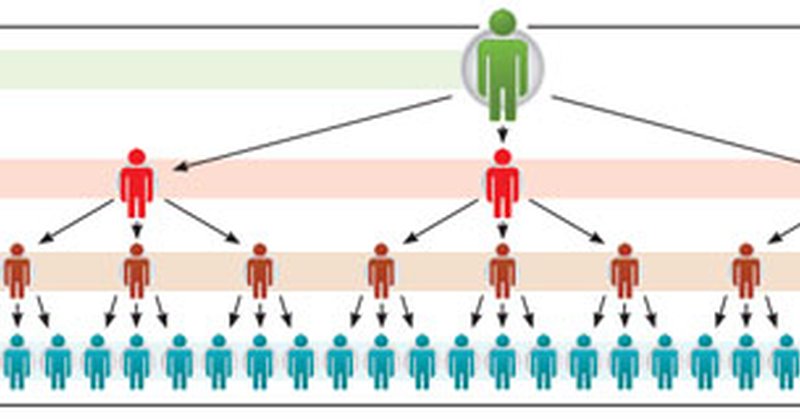
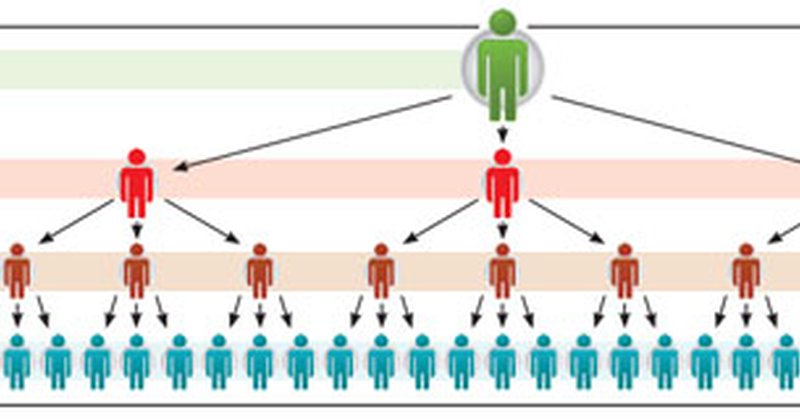
The business model permits promoters to invest in cryptocurrency at varying amounts. A notable aspect of their compensation plan is that it pays referral commissions based on the invested cryptocurrency, extending down three levels in a unilevel structure.
How to Become a Member
Joining Kymera Capital as a promoter is marketed as free, but to access the full range of income opportunities, a minimum investment of $5 is required. Strikingly, the company does not disclose which cryptocurrencies it is soliciting for investment, raising further questions about the transparency of its operations.
Evaluating Revenue Claims
Kymera Capital claims to generate external revenue through a blend of advanced technologies, namely AI, Blockchain, and DeFi, promising consistent daily returns. However, the company has not provided any verifiable evidence to support these revenue assertions.
Without clear proof of revenue generation, skepticism is warranted.
The Ponzi Scheme Dilemma
Upon closer inspection, Kymera Capital's business model poses several red flags. The claim of providing returns as high as 33% per month raises the question: if these returns are already being generated, why would the company need additional investments? This scenario aligns closely with the characteristics of a Ponzi scheme, where returns are paid to earlier investors using the capital from newer investors.
As is common with MLM Ponzi schemes, once recruitment slows, the influx of new investments will dwindle, leading to a shortage of funds for ROI distributions. This cycle typically culminates in a collapse.
What This Means for the MLM Community
The issues surrounding Kymera Capital serve as a cautionary tale for both potential distributors and investors. For distributors, the lack of product offerings and unclear leadership can result in long-term losses. For consumers, the opacity surrounding the investment model can lead to financial risks.
The current landscape suggests that vigilance is key when considering participation in any MLM initiative, especially those linked with cryptocurrencies.
Looking Ahead
As the industry continues to evolve, stakeholders should keep an eye on Kymera Capital's developments. Monitoring regulatory responses and consumer feedback will be crucial in assessing the legitimacy and longevity of this venture.