Swift Wave Capital Lacks Transparency and Credibility
Swift Wave Capital, also known as Swift Wave Investment Group, has come under scrutiny for failing to disclose any ownership or executive information on its website. This raises significant concerns about who is running the operation, which is crucial for potential investors and distributors.
Questionable Online Presence
Swift Wave Capital operates multiple domains, including ones with algorithmic names suggesting a larger network of associated sites. This could indicate a wider scheme at play. The company claims to be managed by an individual named "John Williams," but investigations reveal that this persona is likely fabricated, possibly created with artificial intelligence.
Upon registration, users find that their location defaults to China, which is another red flag. Additionally, the app download page links to a known scam site, asiaex-pro.com, previously associated with another fraudulent scheme called NewEra Exchange. This connection raises alarms about the legitimacy of Swift Wave Capital.
Misleading Regulatory Claims
Swift Wave Capital's marketing attempts to bolster its credibility by referencing a Canadian shell company and certificates from the Financial Crimes Enforcement Network (FinCEN). However, these documents are easily obtainable and lack real regulatory power, rendering them essentially worthless for due diligence.
In fact, FinCEN is not a financial regulator; it merely oversees the registration of money services businesses. This tactic is common among scammers aiming to deceive potential investors.
Regulatory Attention and Warnings
Swift Wave Capital caught the eye of New Zealand's Financial Markets Authority, which added it to its list of fraudulent investment platforms as of April 14, 2026. This kind of official warning should serve as a serious caution to anyone considering involvement with the company.
Understanding Swift Wave Capital's Products and Compensation Plan
Importantly, Swift Wave Capital does not offer any retail products or services. Distributors can only market the promoter membership, which raises further questions about the sustainability of the business model.
Participants are encouraged to invest in tether (USDT), with the expectation of receiving daily passive income. Although the minimum investment is suggested to be 500 USDT, the company does not clearly state this on its platform. Marketing claims point to an enticing but vague return on investment (ROI) of around 4% daily, with payouts occurring three times a month.
Compensation Structure
- Weekly Wage: Promoters are rewarded for building teams.
- ROI Match: There is a match on daily returns for recruited promoters, but it’s unclear if this applies only to personally recruited members.
- Rank Achievement Bonus: Promoters who reach certain ranks receive one-time bonuses.
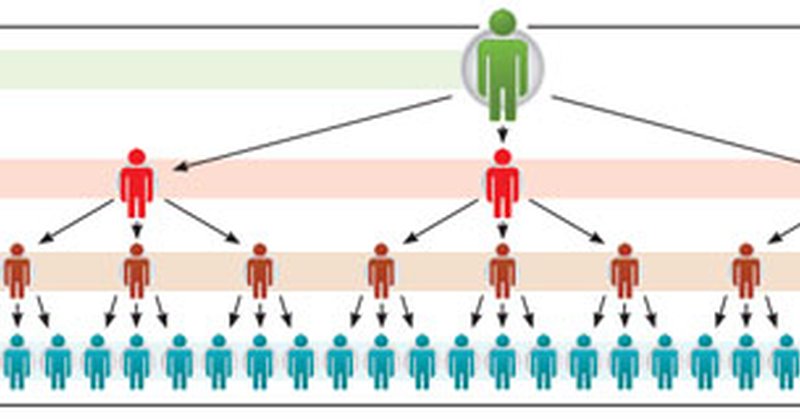
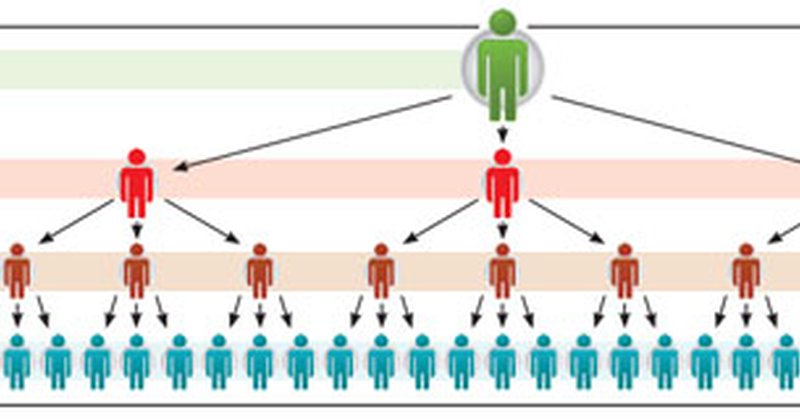
This compensation plan heavily emphasizes recruitment, which is a typical characteristic of Ponzi schemes. The requirement that promoters must invest at least 500 USDT to be counted towards rank qualification further complicates the integrity of the operation.
The Bigger Picture: Why This Matters
For potential investors and MLM distributors, the emergence of platforms like Swift Wave Capital is concerning. The absence of transparency and reliance on recruitment for profit indicate a business model that is fundamentally flawed and unsustainable. Participants could face significant financial losses if the operation collapses, which is highly probable based on historical patterns seen in similar schemes.
What to Watch For
As the landscape of MLM platforms evolves, it’s crucial to remain vigilant against operations that lack transparency and legitimacy. Investors should be cautious and conduct thorough research before committing any funds. Observing regulatory actions against companies like Swift Wave Capital can offer insight into potential risks.
In conclusion, always prioritize platforms that offer clear ownership details and tangible products. Be wary of anything that sounds too good to be true, as this is often a red flag in the MLM industry.