Solnex: A Potential Ponzi Scheme in the MLM Crypto Space
Solnex is making waves in the MLM cryptocurrency arena, raising red flags among industry watchdogs. The company is reportedly led by Logan Pietroforte, a model based in New York, who is prominently featured in Solnex’s marketing materials.
Leadership and Location
Alongside Pietroforte is another model, Raffaella Palermo, who claims to live in Dubai. Interestingly, despite the apparent glamor, Solnex's operations are largely based in Dubai, a location often scrutinized for its lax regulatory environment regarding investment schemes.
It’s significant that models are being used to front a business that raises so many concerns; this might distract potential investors from the lack of transparency.
Another individual connected to Solnex is Ali Roukia, also a model based in Dubai. With social media profiles managed from India, the organization’s leadership appears to be leveraging a global network while remaining elusive about their actual operations.
The Red Flags of Solnex
One of the most alarming aspects of Solnex is its lack of legitimate products or services. Distributors can only promote the membership itself, suggesting a focus on recruitment over retail sales.
Investment in Solnex is positioned as an opportunity for substantial returns, with claims of a 150% to 200% annual ROI. However, this promise is coupled with a 20% withdrawal fee, raising questions about the sustainability of such returns.
Compensation Structure and Recruitment
Solnex operates a multi-tiered compensation plan that rewards members primarily through recruitment. The company has twelve promoter ranks, with commissions starting at 5% on investments made by personally recruited members.
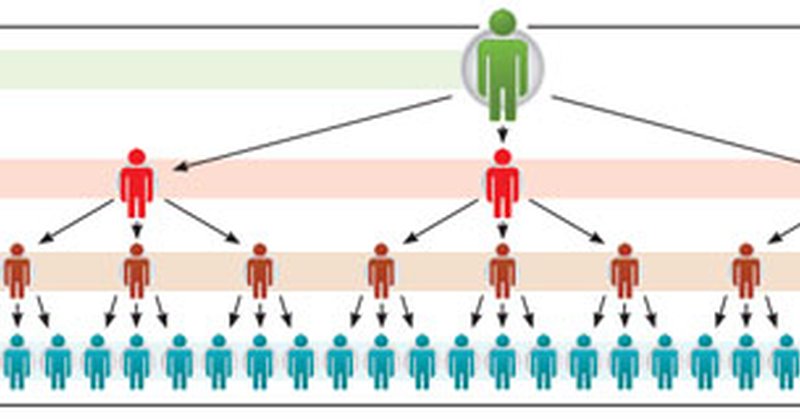
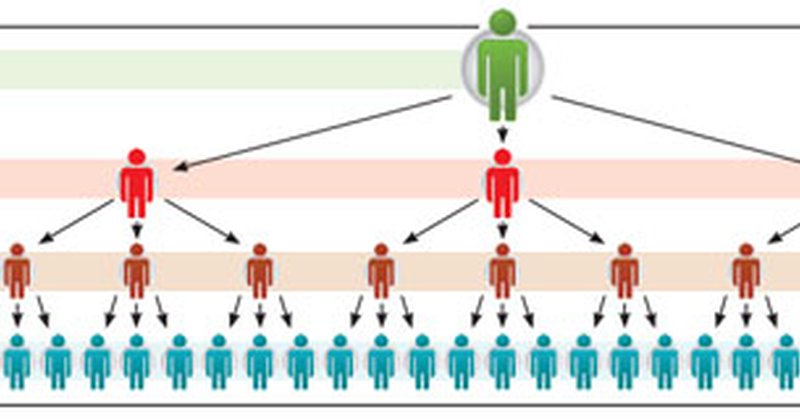
The compensation plan utilizes a binary structure, which can be complicated for new members to understand. Each member is placed at the top of a binary team, and earnings are determined based on recruitment, rather than genuine product sales.
This structure significantly benefits those who join early, creating an uneven playing field where newer members are often left with little to no profit.
Investment and Revenue Sources
Participants are encouraged to invest in cryptocurrencies like tether (USDT) and SOL, with a minimum investment threshold of $25. However, the company fails to provide verifiable evidence of any external revenue generation, relying instead on new investments to pay existing members.
This raises the possibility that Solnex operates as a Ponzi scheme, particularly as no legitimate business activity has been demonstrated. If the METAsol trading bot, which is claimed to generate profits, were truly effective, it begs the question — why solicit investments from individuals?
What This Means for Distributors and Consumers
For individuals considering joining Solnex, the lack of transparency and sustainable revenue sources is a major concern. As with many MLM schemes that rely heavily on recruitment, the model is unsustainable in the long run. Once new recruits stop coming in, the entire system is likely to collapse, leaving many investors at a loss.
It’s crucial for both distributors and potential investors to remain vigilant. The allure of high returns can often mask serious risks.
Looking Ahead
For those involved in the MLM industry, the situation with Solnex serves as a cautionary tale about the importance of due diligence. As this scheme unfolds, it will be essential to monitor for regulatory actions and any shifts in the company's operations.
What should you watch for next? Keep an eye on any developments regarding Solnex’s financial practices and the push for accountability in the MLM crypto space. This could signal broader trends in regulation and enforcement within the industry.