Pi Wallet Raises Concerns with Lack of Transparency
Pi Wallet, operating under the domain “piwallet.io,” has drawn skepticism due to its failure to disclose any ownership or executive information on its website. The domain was privately registered by Njalla Okta LLC on April 12, 2026, raising alarms about accountability.
This lack of transparency is a major red flag in the MLM community. Potential investors should think carefully before committing any funds to a platform that hides its leadership.
Products Offered by Pi Wallet
Interestingly, Pi Wallet does not offer any retail products or services. Instead, it focuses solely on promoting its membership, which essentially means that promoters are encouraged to recruit others rather than sell a tangible product.
This model indicates a reliance on recruitment for income, a characteristic often associated with potentially problematic MLM structures. Without retail products, the sustainability of the business is questionable.
Understanding the Compensation Plan
Promoters within Pi Wallet can deposit the Pi cryptocurrency (PI), which they can convert into the platform's SUPI token. This token is then placed into a staking investment scheme, boasting returns of “up to 30%” annually.
However, at the time of writing, the SUPI token is only available through Pi Wallet, creating a closed-loop system for withdrawals. Promoters must convert SUPI back to PI to access their returns, raising concerns about liquidity and availability of funds.
Recruitment-Based Earnings
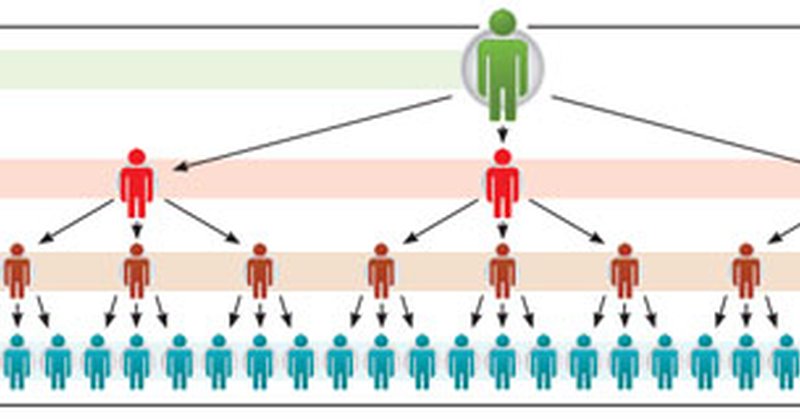
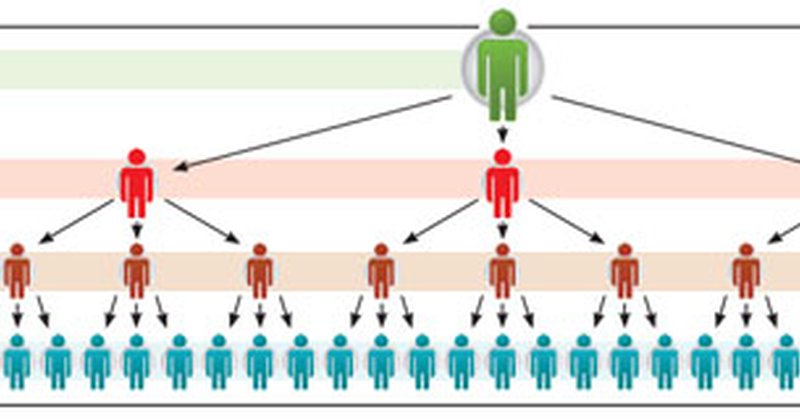
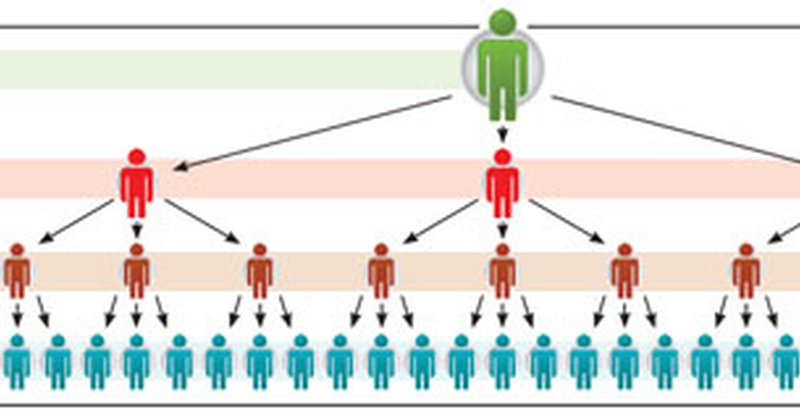
Pi Wallet employs a unilevel compensation structure where promoters earn based on recruitment. Each promoter is positioned at the top of their own unilevel team, with each new recruit placed directly underneath them. This structure extends theoretically to an infinite number of levels, though commissions are capped at ten levels.
Referral commissions are earned as a percentage of the SUPI token investment, adding to the focus on recruiting rather than product sales. This model often leads to unsustainable practices, relying heavily on a continuous influx of new members.
Joining Pi Wallet
Becoming a promoter for Pi Wallet is free, but full participation in the income opportunity requires a minimum, undisclosed investment in the PI token. This lack of clear financial requirements can create confusion and potentially lead to significant financial losses for unsuspecting participants.
Conclusion: A Risky Venture
Overall, Pi Wallet appears to operate as a traditional staking Ponzi scheme. Promoters deposit PI, which is exchanged for an essentially worthless SUPI token. A separate website for SUPI has been established under the domain “sup.gt.tc,” but whether its claimed core team is legitimate remains unverified.
Both referral commissions and returns on investment are paid in SUPI, giving Pi Wallet complete control over the withdrawal process. With no credible source of external revenue, the money flow is a closed loop, further indicating the Ponzi scheme structure.
As with many MLM Ponzi operations, the recruitment of new promoters is critical. Once that slows down, so too will the influx of new investments, ultimately leading to a collapse. Speculation suggests that a public exchange for SUPI tokens is slated for October 1, 2026. This scenario often plays out like a classic pump and dump, allowing the owners to cash out before disappearing.
What This Means
This situation has significant implications for potential investors and current promoters alike. When Ponzi schemes collapse, as they inevitably do, the majority of participants typically face financial losses. The lack of transparency and reliance on recruitment should serve as a cautionary tale.
For those considering involvement with Pi Wallet, vigilance is key. Monitor the developments surrounding the SUPI token and the broader implications for the MLM landscape.
What to Watch For
Keep an eye on any updates regarding the SUPI token's public exchange launch, and be alert for signs of recruitment fatigue among promoters. As history has shown, the longevity of such structures often hinges on their ability to attract new participants.